

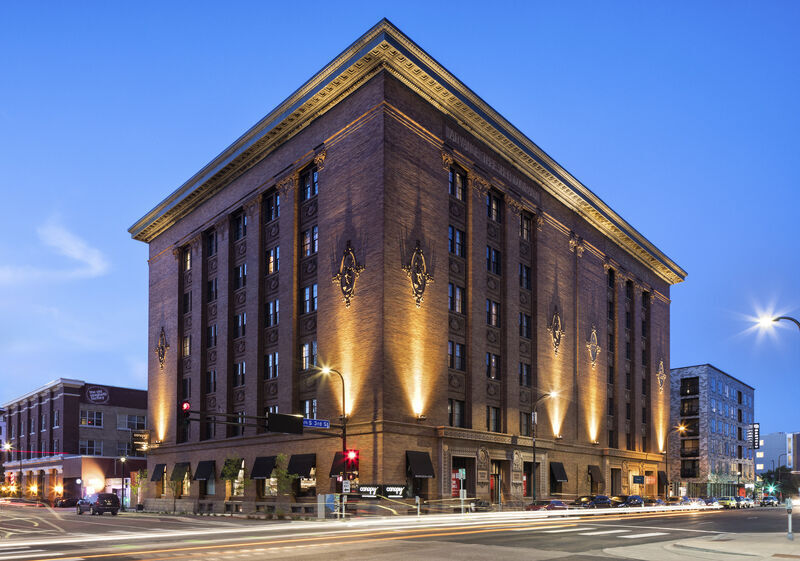
DLR Group is spotlighting the growing importance of adaptive reuse as a sustainable approach to urban transformation. In a recent feature by The Real Deal, the firm’s leadership emphasized how repurposing existing structures can unlock new value while addressing environmental and urban challenges.
Context: The Rise of Adaptive Reuse
As cities face mounting pressure around sustainability, carbon reduction, and urban regeneration, adaptive reuse is gaining traction as a practical alternative to demolition and new construction. By reimagining underutilized buildings, developers and architects can extend asset lifecycles while reducing environmental impact.

This approach aligns with broader industry trends focused on minimizing waste and preserving architectural heritage while meeting modern functional demands.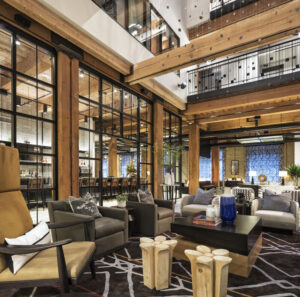
Operational Impact: Design and Sustainability Benefits
DLR Group integrates adaptive architecture and building reuse into its design process, combining innovation with preservation. Through these strategies, the firm has helped save over 1.5 million square feet of buildings from demolition.
Notably, adaptive reuse projects can achieve up to a 75% reduction in carbon impact compared to new construction. This demonstrates how sustainable design practices can deliver measurable environmental benefits without compromising performance or aesthetics.
Leadership Perspective
According to Ed Wilms, repurposing buildings offers a unique opportunity to give structures a “second life,” blending history with modern functionality. This perspective underscores the emotional and cultural value embedded in adaptive reuse, beyond its technical and economic advantages.

 Share your work with Architecture Pulse. Upload your PDF below.