

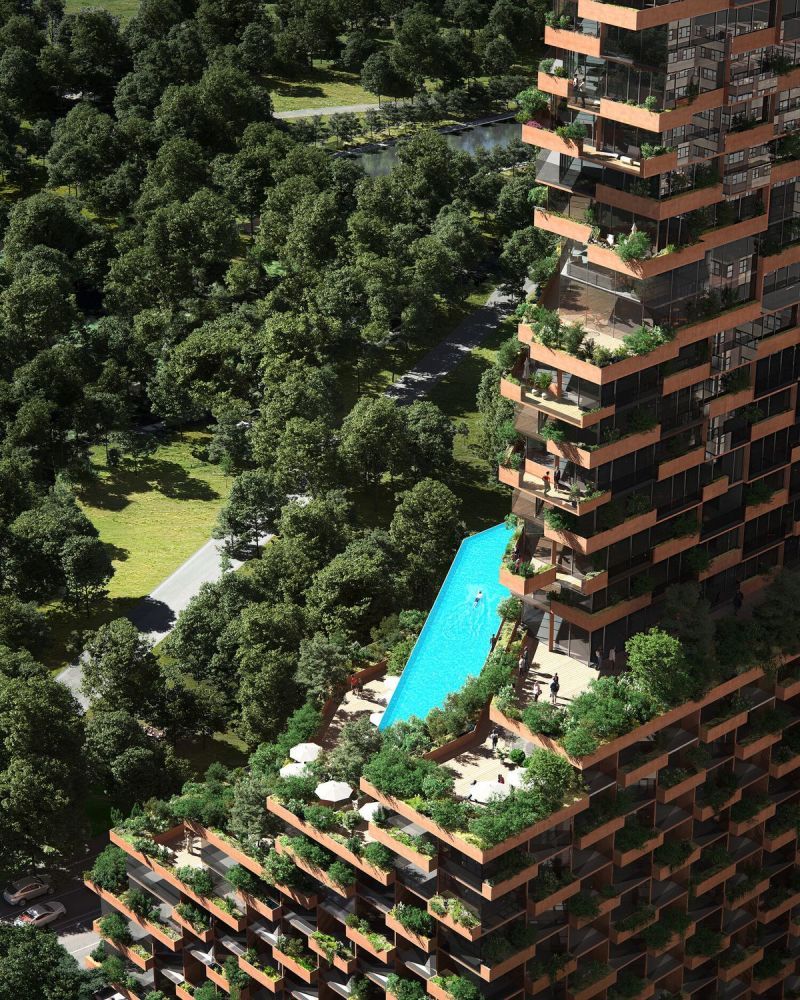
As cities continue to grow denser and urban skylines expand vertically, biophilic design is emerging as a defining force in the future of high-rise architecture. Tina Tsivtsivadze recently highlighted how modern residential and mixed-use towers are evolving beyond traditional structural concepts to create deeper connections between people, nature, and the built environment.
The growing adoption of biophilic principles reflects a broader industry shift toward sustainable, wellness-focused, and emotionally engaging urban living experiences.

High-Rise Towers Evolving Into Integrated Living Ecosystems
Contemporary vertical developments are increasingly being designed as integrated living ecosystems rather than isolated residential structures. Features such as layered greenery, sky terraces, natural ventilation systems, wellness-oriented communal spaces, and seamless indoor-outdoor transitions are becoming central components of modern tower design.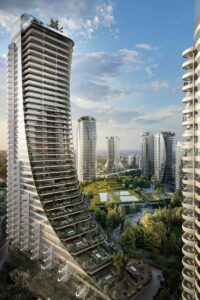
Architects and developers are recognising that incorporating natural elements into dense urban projects can significantly improve resident wellbeing, environmental performance, and long-term project appeal.
Wellness and Sustainability Driving Design Innovation
The integration of organic forms, natural materials, and environmentally responsive architecture reflects the rising importance of wellness-focused urban planning. Biophilic design strategies are not only improving aesthetic appeal but are also contributing to healthier indoor environments, better air quality, enhanced natural lighting, and reduced stress levels for occupants.
As sustainability targets become increasingly important across the global construction sector, biophilic architecture is helping bridge environmental responsibility with user-centered design innovation.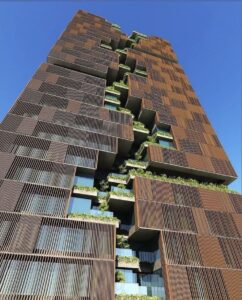
Redefining Urban Living Experiences
The future of high-rise architecture is increasingly centred around creating emotionally engaging and socially connected environments. Mixed-use developments now prioritise community interaction, accessibility to green spaces, and flexible shared amenities that support modern urban lifestyles.
By blending architecture with natural systems, developers are redefining how people experience vertical living while strengthening long-term property identity and market value.
A Greener Future for Vertical Architecture
As urban populations continue to rise, biophilic strategies are expected to play a critical role in shaping the next generation of sustainable cities. The movement toward greener, softer, and more adaptive architectural approaches demonstrates how the built environment is evolving to meet both environmental challenges and changing human expectations.
The discussion reinforces the growing influence of biophilic design in defining the future of high-rise living, mixed-use developments, and sustainable urban infrastructure.

 Share your work with Architecture Pulse. Upload your PDF below.