


“Anything Good Is Kind of Costly” – Marc Newson on Design, Luxury, and the Value of Craft
Marc Newson reflects on four decades of groundbreaking design, from record-breaking collectible pieces to shaping the future of technology and mobility.
March 21, 2026

Redefining Value Through Craft, Material, and Longevity
Source: Dezeen (Full credit to original interview and editorial team)
Source: Dezeen (Full credit to original interview and editorial team)
KEY TAKEAWAYS
- High-quality design is inherently costly, but offers long-term value through durability and craftsmanship.
- Collectible design emerged from experimentation, not intention, and has since become a major global design movement.
- The future of design lies in balancing advanced technology with tactile, human-centered experiences.
Very few designers have influenced the modern design landscape as significantly as Marc Newson. Over a career spanning more than four decades, his work has seamlessly bridged art, industry, and technology—ranging from iconic furniture pieces to collaborations with some of the world’s most recognised brands.
In an interview originally published by Dezeen, Newson reflects on his journey, the shifting perception of value in design, and why truly exceptional design often comes with a higher cost.
A Career Defined by Exploration
From the outset, Newson’s work has resisted easy classification. Known for his distinctive biomorphic style, he has designed an extraordinary range of objects—from Louis Vuitton luggage and the Apple Watch (created with Jony Ive) to aircraft interiors, AI-driven devices, and even a samurai sword.
This diversity reflects more than versatility—it highlights an enduring curiosity. For Newson, design has always been about discovery, constantly exploring new materials, processes, and possibilities across different fields.
The Legacy of the Lockheed Lounge
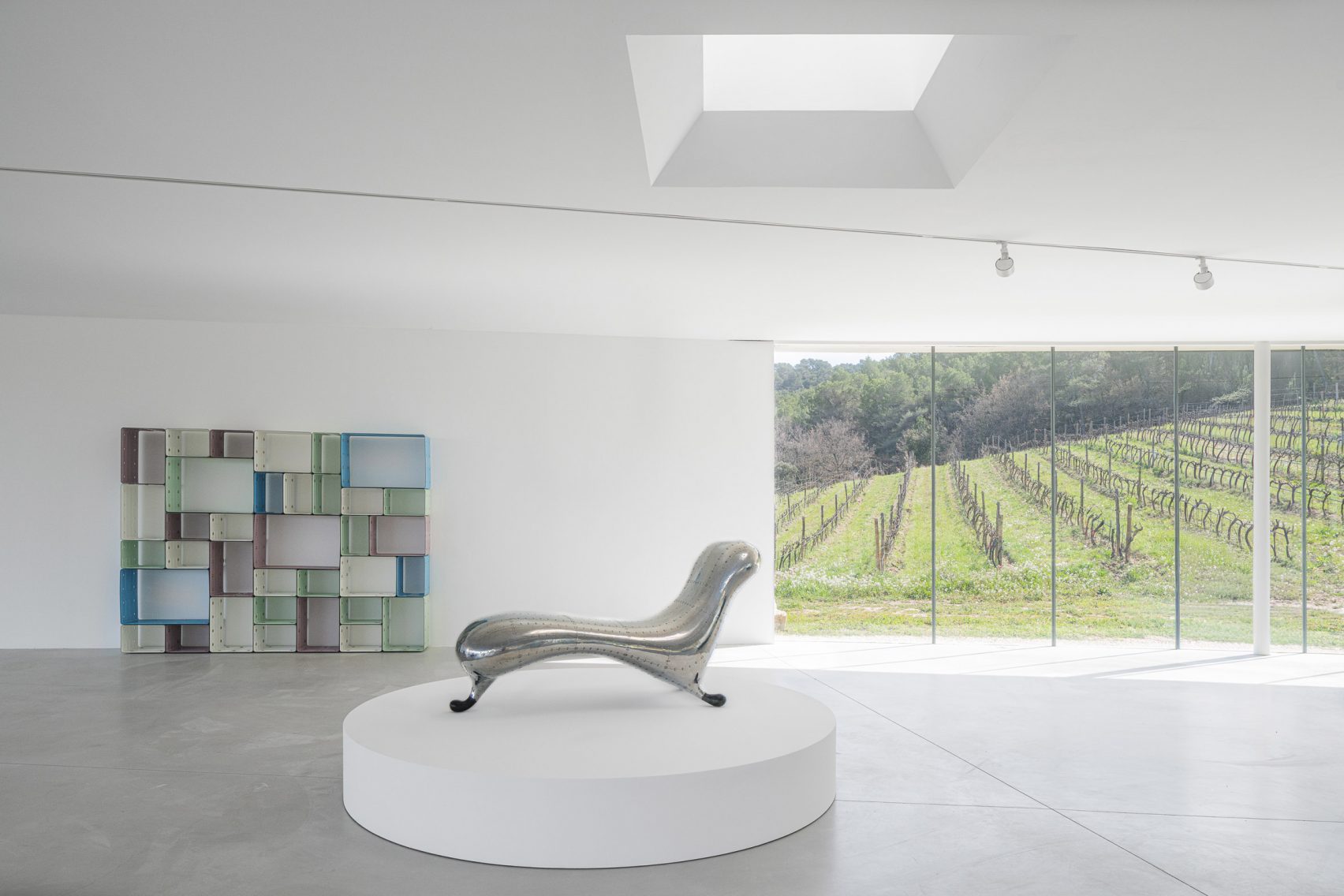
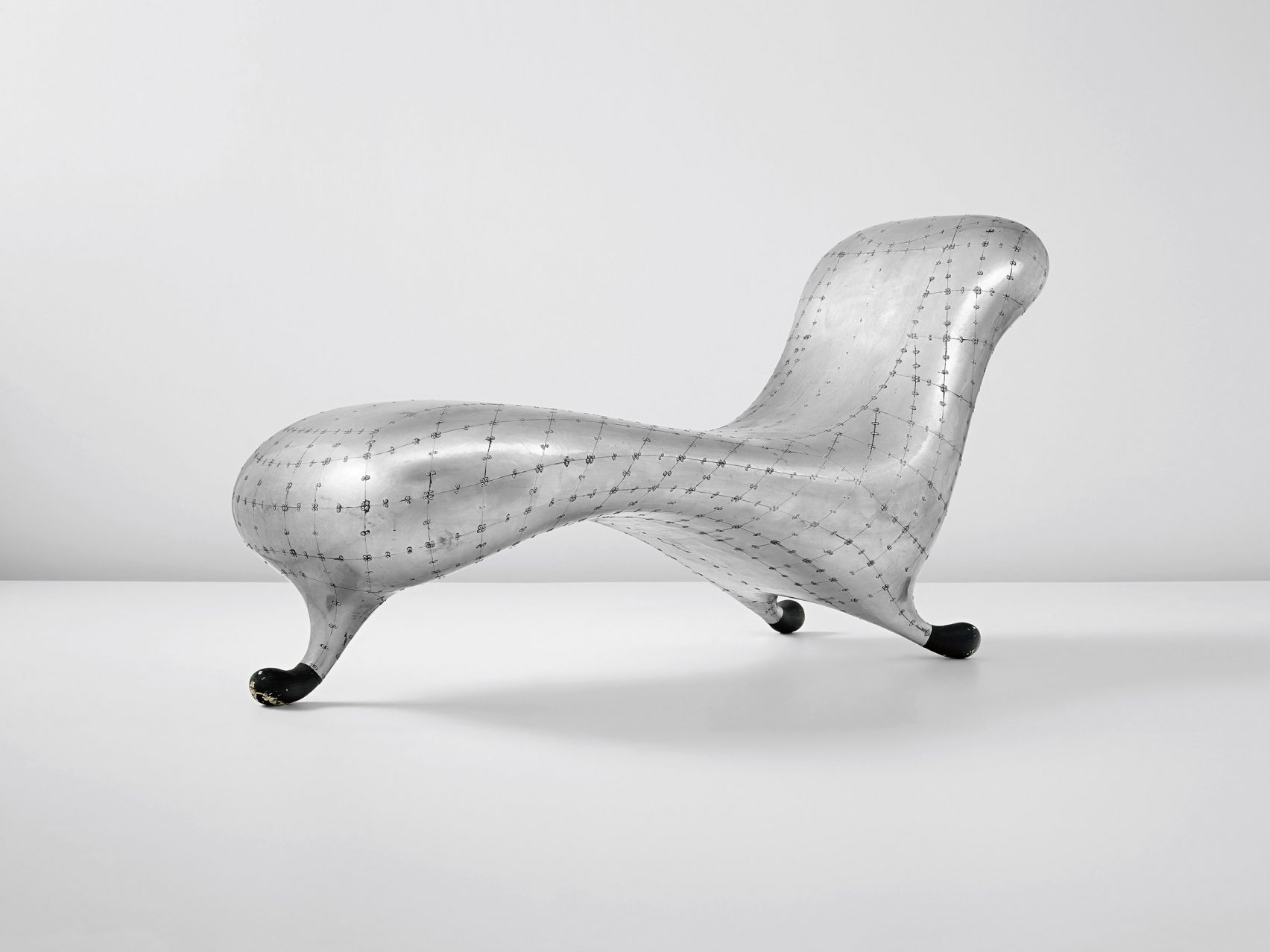
Among his many works, the Lockheed Lounge remains the most iconic. Created in the 1980s, this sculptural chaise longue has become one of the most valuable design pieces ever produced by a living designer, repeatedly breaking auction records.
Despite its status, Newson maintains that it was never intended as a luxury object.
“I didn’t want these things to be expensive,” he explains. “They were simply a way for me to work independently and create freely.”
Ironically, it is this independence and originality that ultimately contributed to its extraordinary value.
The Cost of Good Design
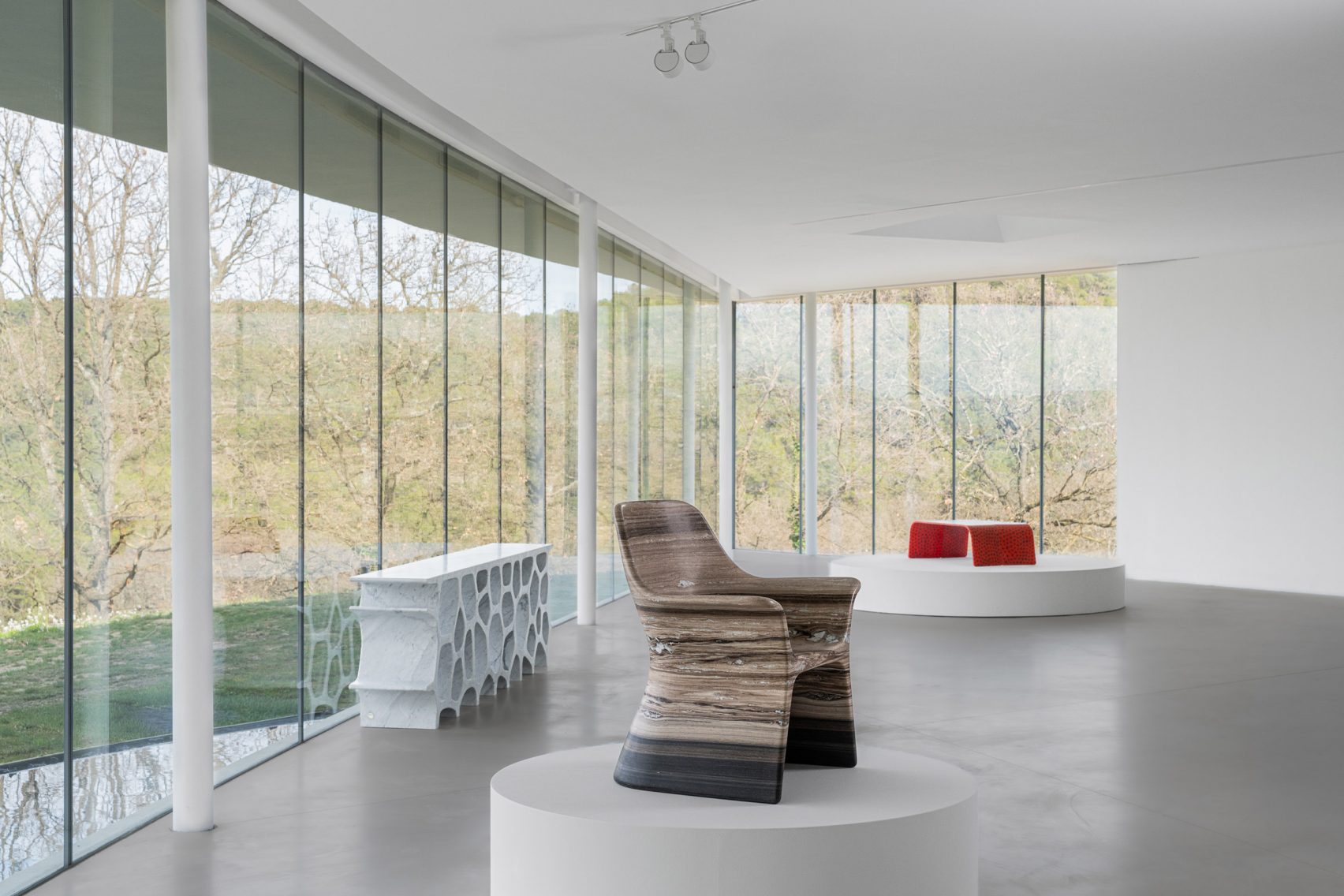
Newson challenges the common belief that design should always prioritise affordability. Instead, he argues that quality, craftsmanship, and durability naturally demand a higher investment.
“Anything good is kind of costly,” he states, emphasising that well-crafted objects are built to last, to be repaired, and to retain their value over time.
Rather than viewing cost as a limitation, he sees it as a reflection of effort, material quality, and thoughtful execution. Over time, investing in one well-made object can often prove more sustainable than repeatedly replacing cheaper alternatives.
Balancing Art and Industry
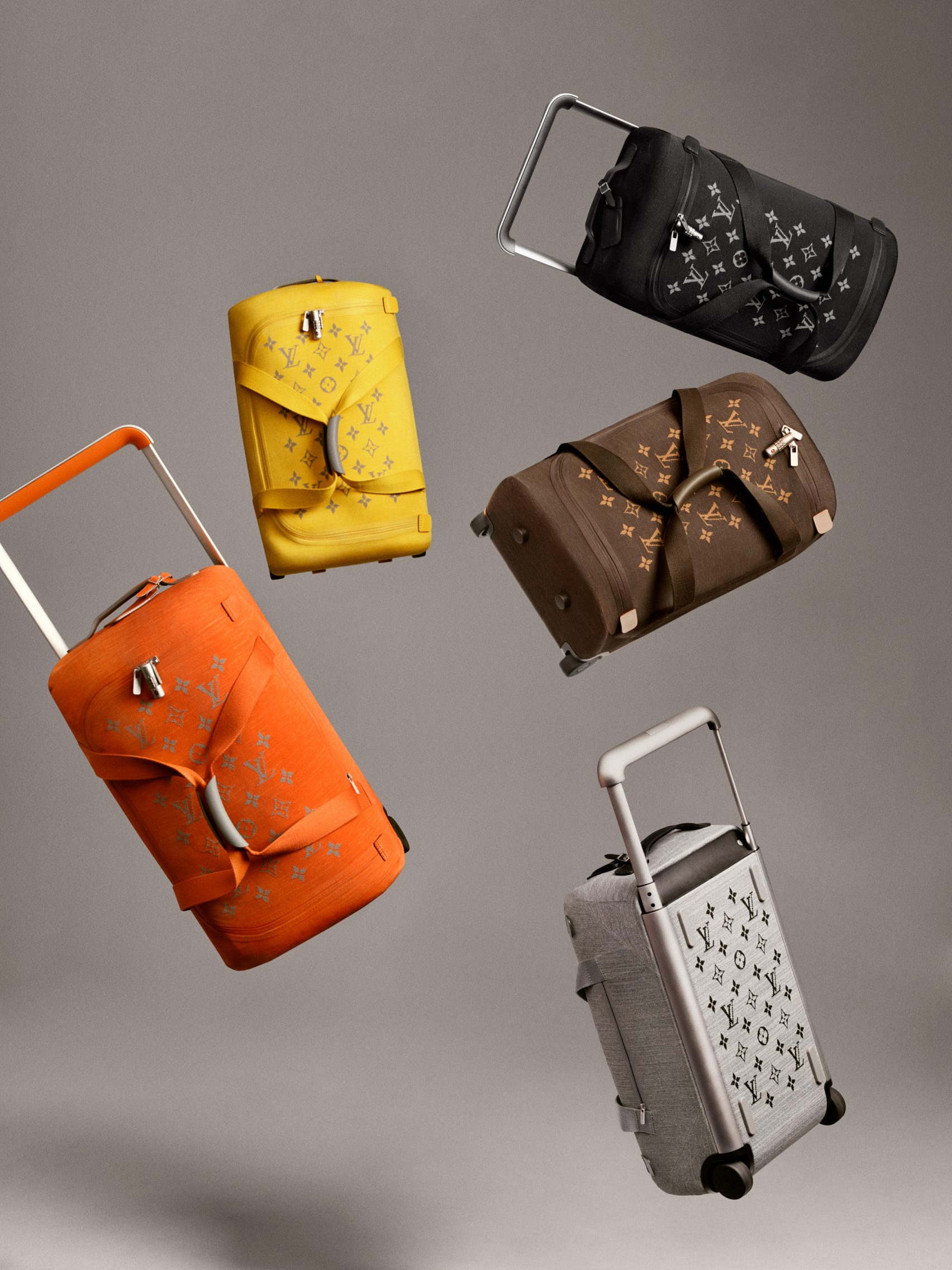
While his collectible design work brought him global recognition, it is his commercial projects that sustain his practice. Collaborations with brands such as Ferrari and Louis Vuitton allow him to operate at a larger scale while staying true to his design principles.
One of his most notable recent projects is Ferrari’s first electric car, developed through LoveFrom—the creative studio he co-founded with Jony Ive.
Unlike traditional automotive design processes, where different teams handle separate elements, this project takes a unified approach, ensuring consistency across the entire vehicle.
Technology vs Tactility
Although he works on highly advanced technological projects, Newson remains critical of how technology is often applied in design. He believes modern design has become overly dependent on digital interfaces, losing the tactile qualities that foster meaningful connections between people and objects.
“There’s a huge opportunity to bring back simplicity through tactility,” he explains.
This philosophy is reflected in his work, where materiality and physical interaction play a central role—whether through carefully crafted surfaces or precisely engineered forms.
Rethinking Modern Design
For Newson, modern design does not equate to digital complexity. Instead, it is about creating objects that are intuitive, emotionally engaging, and built for longevity.
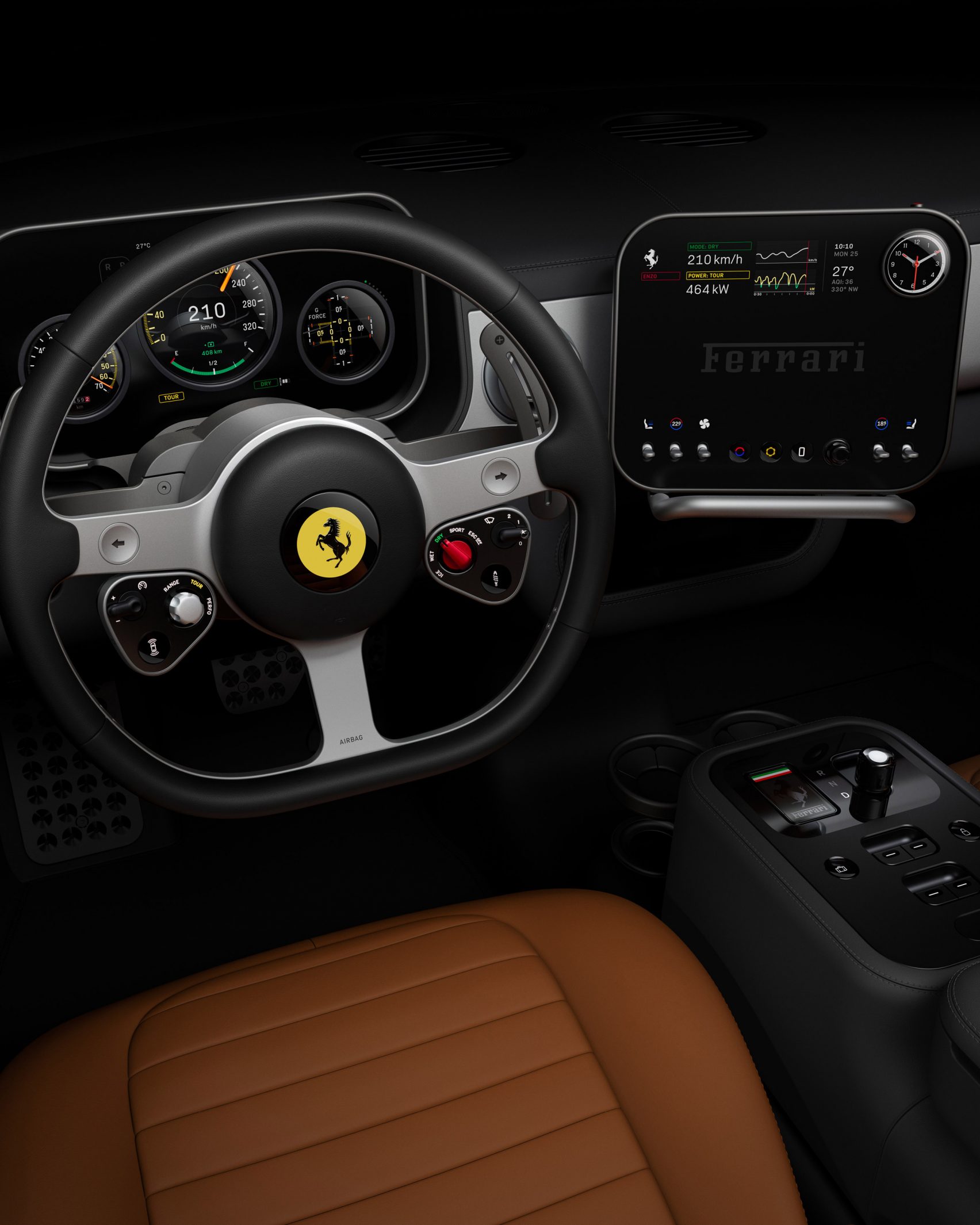
Even in advanced sectors such as electric vehicles, he advocates for simplicity, noting that many contemporary solutions have made everyday experiences more complicated rather than more accessible.
A Philosophy of Longevity
At the heart of Newson’s work is a commitment to creating lasting objects. Whether designing furniture, luxury goods, or technological products, his aim remains consistent—to create something once and to create it well.
“I’ve always loved the idea of creating something that you could have forever,” he says.
This philosophy extends beyond design, offering a broader reflection on value in a world often dominated by speed and disposability.
Looking Forward
As his work continues to evolve, Newson remains driven by curiosity and a desire to keep learning. For him, design is not about specialising in one field but about exploring many—each project offering new insights into how objects are conceived and experienced.
In an increasingly technology-driven world, his approach highlights the importance of reconnecting with the physical, the tangible, and the enduring qualities of design.
 Editorial Desk


Careers
 Share your work with Architecture Pulse. Upload your PDF below.
Advertise with Newsletter
Share your Details for subscribe
Media Pack
Please fill in your details below. After review, our team will send the media pack to your email.