


Adani Airports has achieved a significant milestone on the global stage as Navi Mumbai International Airport and Lokapriya Gopinath Bordoloi International Airport, Guwahati, have been recognized in the prestigious Prix Versailles 2026 list of the World’s Most Beautiful Airports.
The international recognition highlights India’s growing influence in airport design, infrastructure development, and passenger-centric innovation while showcasing the country’s ability to deliver world-class aviation facilities that blend functionality, sustainability, and architectural excellence.

Global Recognition for Indian Airport Infrastructure
The Prix Versailles awards celebrate outstanding architectural achievements across various sectors worldwide, recognizing projects that combine innovation, aesthetics, sustainability, and operational excellence.
The inclusion of Navi Mumbai International Airport and Guwahati Airport in the 2026 list reflects the growing prominence of Indian aviation infrastructure on the global stage. The recognition places these airports among a select group of international facilities acknowledged for their exceptional design and contribution to the built environment.
Redefining the Modern Airport Experience
Modern airports are increasingly being designed as more than transportation hubs. They are evolving into integrated destinations that serve as gateways to cities and regions while delivering seamless passenger experiences.
The recognition of these two airports highlights a broader industry trend toward creating facilities that combine efficient operations with architectural distinction, cultural identity, and sustainability. Through thoughtful design and advanced infrastructure, airports are becoming symbols of national progress and global connectivity.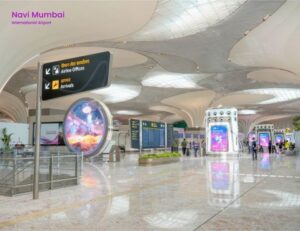
Navi Mumbai International Airport: A Landmark Development
Navi Mumbai International Airport represents one of India’s most ambitious aviation infrastructure projects. Designed to support growing passenger demand while incorporating advanced technology and sustainable practices, the airport is expected to play a vital role in strengthening connectivity and economic development across the Mumbai Metropolitan Region.
Its recognition by Prix Versailles underscores the project’s architectural significance and its contribution to the future of airport infrastructure in India.
Guwahati Airport Showcases Regional Identity
Lokapriya Gopinath Bordoloi International Airport in Guwahati has gained recognition for successfully integrating modern infrastructure with elements inspired by the culture and heritage of Northeast India.
The airport’s design reflects a strong connection to local identity while providing world-class passenger facilities. This approach demonstrates how contemporary infrastructure can celebrate regional character while meeting international standards of efficiency and service.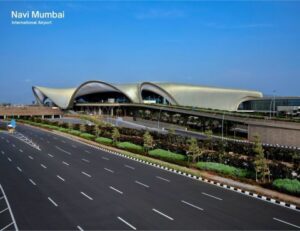
Adani Airports’ Vision for Future-Ready Aviation
The achievement reflects Adani Airports’ broader vision of developing next-generation aviation infrastructure that enhances passenger experiences while supporting economic growth and regional development.
By investing in modern design, technology integration, and sustainable development practices, the company continues to contribute to India’s aviation transformation and its emergence as one of the world’s fastest-growing air travel markets.
Strengthening India’s Global Aviation Position
As air travel demand continues to expand, infrastructure quality has become a key factor in strengthening a country’s competitiveness and attractiveness as a global destination.
International recognitions such as Prix Versailles not only celebrate architectural achievement but also reinforce India’s reputation for delivering infrastructure projects that meet world-class standards. Such milestones further support the nation’s ambitions to become a leading global aviation hub.
Strategic Significance
The inclusion of Navi Mumbai International Airport and Guwahati Airport in the Prix Versailles 2026 list reflects the growing convergence of architecture, sustainability, technology, and passenger experience in airport development.
The recognition serves as a testament to India’s evolving infrastructure capabilities and highlights the increasing importance of design excellence in shaping future-ready transportation ecosystems. As the aviation industry continues to expand, airports that successfully combine operational efficiency with architectural distinction will play a crucial role in defining the next generation of global travel experiences.

 Share your work with Architecture Pulse. Upload your PDF below.